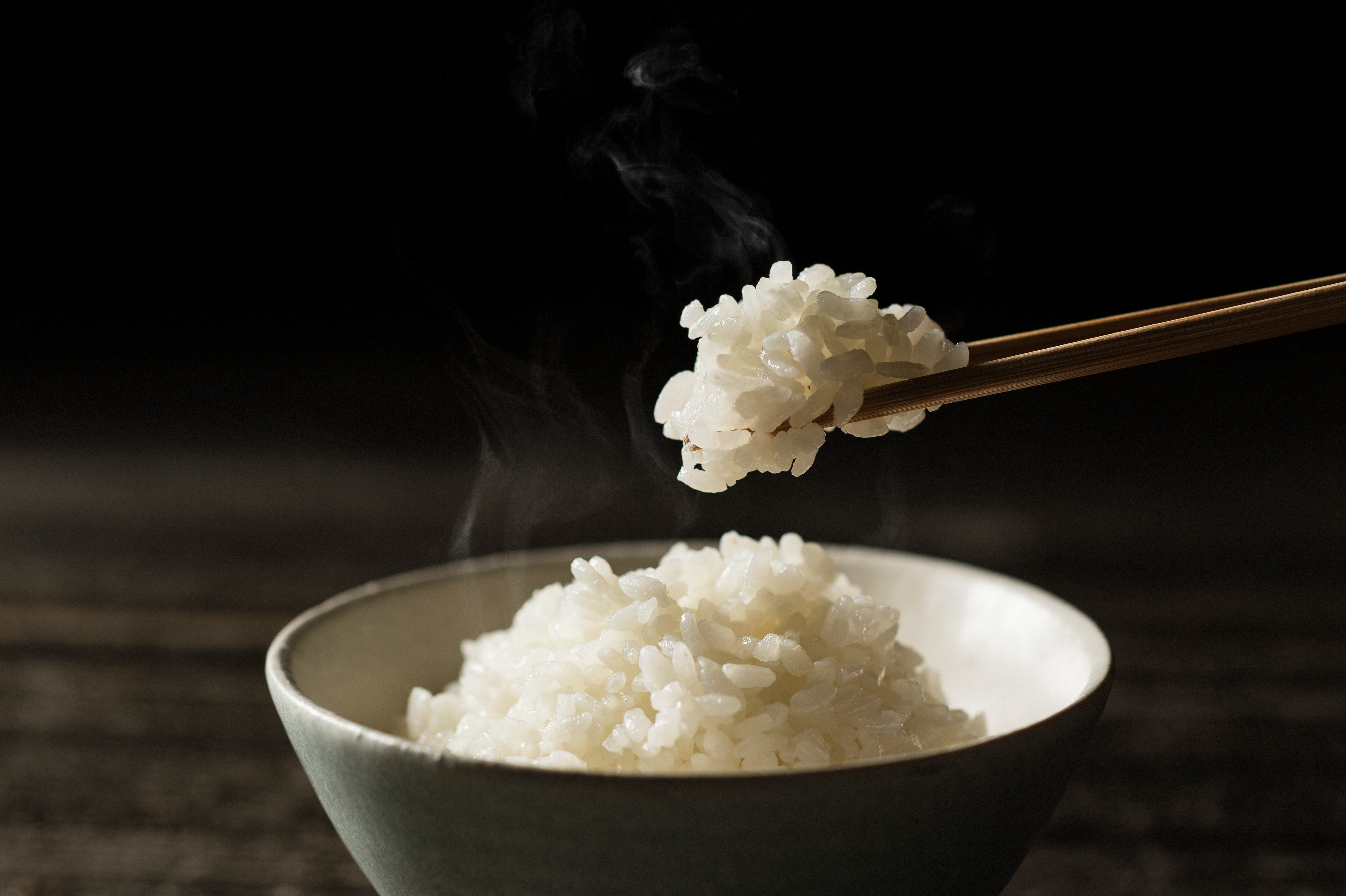
Si eres amante del arroz,la pasta o elpan, esta noticia te va a gustar. Una usuaria de TikTok llamada Linda (@mamalindacooks) compartió lo que llamó su “secreto de mamá asiática”.
Una forma sencilla de reducir hasta un 50% de los carbohidratos y calorías en comidas ricas en almidón, sin cambiar la porción ni el sabor.
El truco consiste en cocinar el arroz o la pasta, enfriarlos en el refrigerador y luego recalentarlos antes de comerlos. Y no es magia, sino ciencia.
Según explicó el doctor Karan Rajan, cirujano y divulgador científico británico con más de 5 millones de seguidores en TikTok, este proceso activa una reacción química llamada retrogradación.
“Cuando cocinas y luego enfrías alimentos ricos en almidón, muchos de sus carbohidratos se vuelven resistentes a la digestión. Es como si se transformaran en una especie de fibra”, explicó Rajan.
Sin embargo, el especialista advirtió que, aunque este truco es útil, debe hacerse con cuidado. Si el arroz se deja fuera del refrigerador demasiado tiempo, puede desarrollarse la bacteria Bacillus cereus.
🍚👇🏼The secret is … 🍚👇🏼 🍚👇🏼 🍚👇🏼 … freezing your rice then reheat it! Research has shown that reheating frozen rice can reduce carb and calorie absorption by up to 50%. This is due to the formation of resistant starch, a type of carbohydrate that resists digestion in the small intestine and reaches the large intestine mostly intact. Unlike regular starch, which is quickly broken down into glucose and absorbed, resistant starch behaves more like dietary fiber. Resistant starch can promote gut health by acting as a prebiotic, feeding beneficial gut bacteria. It also helps regulate blood sugar levels, improves insulin sensitivity, and is helpful for weight management by increasing feelings of fullness. Resistant starch can be formed when certain starchy foods (e.g. rice) are cooked and then cooled or frozen. The cooling process changes the structure of the starch, making it more resistant to digestion. Incorporating resistant starch into your diet may have various health benefits, particularly for digestive health, blood sugar management, and weight control. Here’s how I freeze my rice: 1. Place about 1 cup of freshly cooked rice on a piece of plastic wrap. 2. Form rice into desirable shape. 3. Wrap tightly. Repeat. 4. Let cool slightly on countertop. 5. Freeze for 12 hours or till firm. 6. Place individually wrapped rice in a freezer bag. Keeps in freezer for up to 1 month. Here’s how I I reheat frozen rice: 1. Remove plastic wrap. 2. Place frozen rice in a microwave safe bowl. 3. Optional: Cover bowl with a wet paper towel. 4. Microwave on high for 1.5 to 2 minutes or till rice is thoroughly heated. 5. Gently fluff rice a few times. Enjoy! How does the rice taste? In my opinion, it tastes great. It’s moist and soft, not soggy or gummy. The texture stays the same as freshly cooked rice as well. 10/10 recommend! #rice#whiterice#mealprep#frozenfood#kitchenhacks#foodhacks#cookinghacks#healthycooking#resistantstarch#lifehacks