Hable con elPrograma

Selecciona tu emisora

PerfilDesconecta
Buscar noticias o podcast

Justicia de Países Bajos ordenó al Gobierno que levante «de inmediato» el toque de queda impuesto como medida sanitaria

Un tribunal consideró que la medida es una violación de "gran alcance" de las libertades ciudadanas.

Police officers and vehicles deployed in Amsterdam to overview the curfew. Deserted streets of the Dutch city of Amsterdam and the police checking people for proper documentation and giving fines of 95euro, after the night curfew time and a call for a protest. The fourth day with the curfew in the country is calmer after protests and clashes the previous days. Curfew was imposed to fight the spread of the virus, following the lockdown measures to fight the spike of the Covid-19 Coronavirus cases and the new mutation of the pandemic. the first curfew after World War II has been imposed. Restrictions apply between 21:00-04:30 local time. Citizens can leave their homes only for valid reasons such as health, work or travel. Shops also changed their working hours, while non-essential shops and markets are closed since December. The government took the decision for the lockdown and free movement restriction in order to fight the spread of the new mutation B117 of the coronavirus Covid-19 pandemic. The curfew will be in force at least until February 10, 2021. Amsterdam, the Netherlands on January 27, 2020 (Photo by Nicolas Economou/NurPhoto via Getty Images)
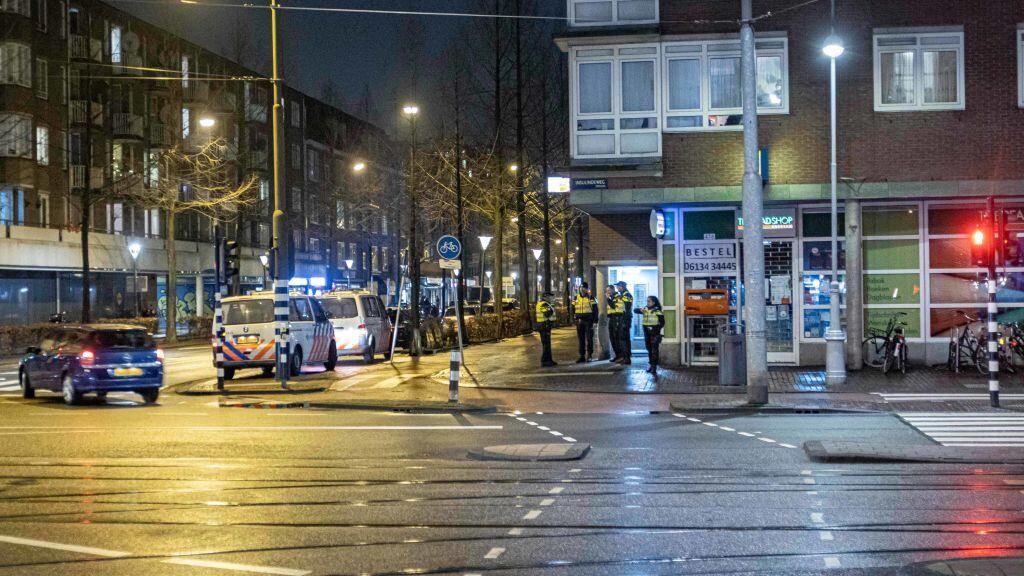
Police officers and vehicles deployed in Amsterdam to overview the curfew. Deserted streets of the Dutch city of Amsterdam and the police checking people for proper documentation and giving fines of 95euro, after the night curfew time and a call for a protest. The fourth day with the curfew in the country is calmer after protests and clashes the previous days. Curfew was imposed to fight the spread of the virus, following the lockdown measures to fight the spike of the Covid-19 Coronavirus cases and the new mutation of the pandemic. the first curfew after World War II has been imposed. Restrictions apply between 21:00-04:30 local time. Citizens can leave their homes only for valid reasons such as health, work or travel. Shops also changed their working hours, while non-essential shops and markets are closed since December. The government took the decision for the lockdown and free movement restriction in order to fight the spread of the new mutation B117 of the coronavirus Covid-19 pandemic. The curfew will be in force at least until February 10, 2021. Amsterdam, the Netherlands on January 27, 2020 (Photo by Nicolas Economou/NurPhoto via Getty Images)

Police officers and vehicles deployed in Amsterdam to overview the curfew. Deserted streets of the Dutch city of Amsterdam and the police checking people for proper documentation and giving fines of 95euro, after the night curfew time and a call for a protest. The fourth day with the curfew in the country is calmer after protests and clashes the previous days. Curfew was imposed to fight the spread of the virus, following the lockdown measures to fight the spike of the Covid-19 Coronavirus cases and the new mutation of the pandemic. the first curfew after World War II has been imposed. Restrictions apply between 21:00-04:30 local time. Citizens can leave their homes only for valid reasons such as health, work or travel. Shops also changed their working hours, while non-essential shops and markets are closed since December. The government took the decision for the lockdown and free movement restriction in order to fight the spread of the new mutation B117 of the coronavirus Covid-19 pandemic. The curfew will be in force at least until February 10, 2021. Amsterdam, the Netherlands on January 27, 2020 (Photo by Nicolas Economou/NurPhoto via Getty Images)

Un tribunal de La Haya exigió al gobierno de Países Bajos que levante «de inmediato» el toque de queda impuesto como medida para controlar la pandemia de Covid-19.

La justicia consideró que el toque de queda es una violación de «gran alcance» de las libertades ciudadanas, que se aplicó por una ley de emergencia sin que se dieran las condiciones necesarias para ello.

La Corte explicó que se había utilizado una ley especial que ofrece la opción de imponer el toque de queda

[dps_related_post ids=»4741747,4722021″]

En ese sentido, afirma el Tribunal, «

,  que considera que «prueba de ello es el hecho de que antes de la introducción del toque de queda (el 23 de enero), se había debatido la posibilidad de introducirlo con más frecuencia», por lo que el Gobierno tuvo suficiente tiempo para aplicar esa medida por la vía regular.

«El toque de queda es

. Limita (indirectamente), entre otras cosas, el derecho a la libertad de reunión y manifestación. Esto requiere un proceso de toma de decisiones muy cuidadoso», concluyó el tribunal local.

La introducción del toque de queda a finales de enero dio lugar a

contra la que es la primera restricción a la movilidad que aplica el Gobierno neerlandés en toda la pandemia.


 

Directo

  • Radio

  •  
Últimos programas

Estas escuchando

Noticias
Crónica 24/7

1x24: Radio Colombia

23/08/2024 - 01:38:13

Noticias en 3′

  •  
Noticias en 3′
Últimos programas

Otros episodios

Cualquier tiempo pasado fue anterior

Tu audio se ha acabado.
Te redirigiremos al directo.

5 "

Compartir